


Anyang Marathon: When Heritage Finds Its Second Wind
Latest blogs

Scan to Follow
- May 20, 2025
- 6:52 am
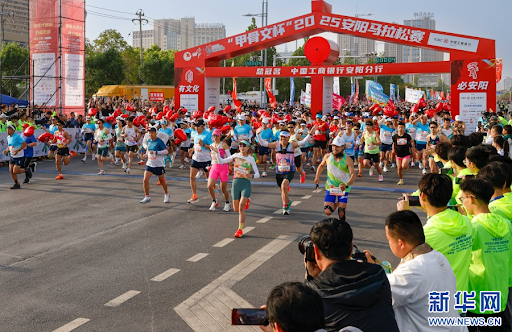
The Anyang Marathon has once again turned a race into something much bigger — a celebration of culture, creativity, and the enduring spirit of a historic city.
Beyond the cheers, sweat, and finish-line triumphs, this year’s “Oracle Bone Cup 2025 Anyang Marathon” showcased a different kind of passion — one born from craftsmanship and tradition.
Anyang’s Mid-Autumn & National Holiday Tourism Highlights 2025
Under the golden autumn sky and a bright harvest moon, the ancient city of Anyang came alive this October. During the combined National Day and Mid-Autumn Festival holiday, the city welcomed over 8.5 million visitors, ranking among the top destinations in Henan Province. From the world-famous Yinxu Ruins and Red Flag Canal to the Chinese Character Museum, cultural heritage and modern creativity merged to create an unforgettable holiday experience.
Culture at the Finish Line
At the full marathon finish near the Yinxu Museum, runners were greeted not just by medals, but by living pieces of art. On the east plaza, spectators gathered around the intricate Huangjia Straw Painting exhibition, where fine wheat straw was transformed into shimmering images of the ancient Shang Dynasty.
Winners received unique ceramic trophies adorned with oracle bone inscriptions — blending ancient artistry with modern athletic honor.
This marriage of intangible heritage and modern sports might sound surprising, yet in Anyang, it feels perfectly natural. Thousands of online viewers flooded the marathon livestream with one phrase:
“Where there’s culture, there’s Anyang.”
For many runners, the allure was more than the challenge of 42 kilometers — it was the chance to experience what they called “the most cultural marathon in China.”
Running Through 3,000 Years of History
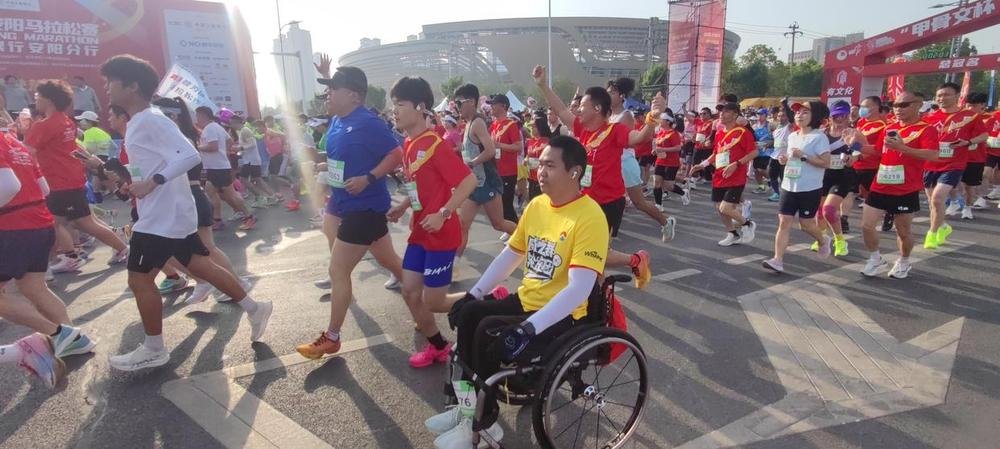
The fusion of heritage and sport is more than creative branding — it’s a symbol of how tradition keeps pace with the times. In recent years, Anyang has embraced innovation through new “heritage +” models — Heritage + Tourism, Heritage + Industry, Heritage + Technology, and even Heritage + Inclusion.
One example: the city’s “Sunshine Steamed Buns” project, a local intangible heritage food tradition, was revived as part of a disability-employment program — combining craftsmanship, care, and community benefit.
These creative pairings prove that when heritage crosses boundaries, it gains new vitality. The fusion isn’t just about form — it expands opportunities, builds bridges, and redefines what culture can do in everyday life.
Tradition in Motion
Heritage is more than memory — it’s a living resource.
To preserve it, we must also let it evolve.
In recent months, Anyang’s An Embroidery and Dahuai Tofu Skin projects were recognized among Henan’s model cases for rural revitalization. Each demonstrates how traditional crafts can be reimagined as products, experiences, and even digital content — turning “intangible” culture into tangible joy.
The path forward lies in balance: keeping the soul of tradition while embracing new forms — from virtual exhibitions and online workshops to collaborations with young creators who give old crafts new voices.
As the world races ahead, Anyang runs with it — carrying 3,000 years of civilization across the finish line, proving that true heritage never slows down.